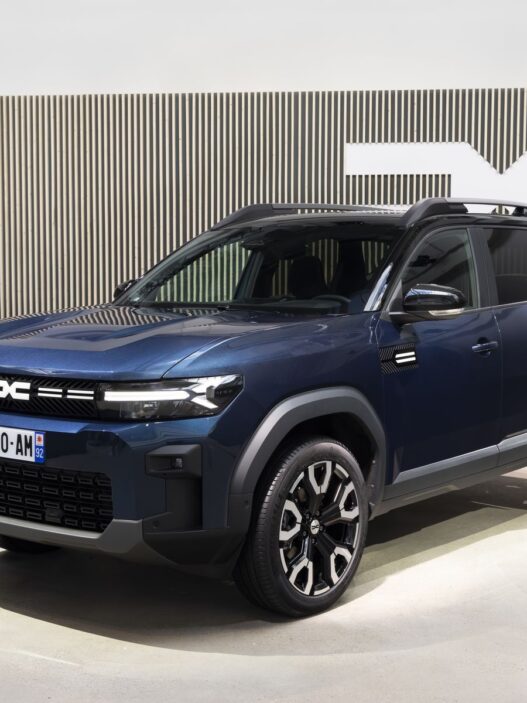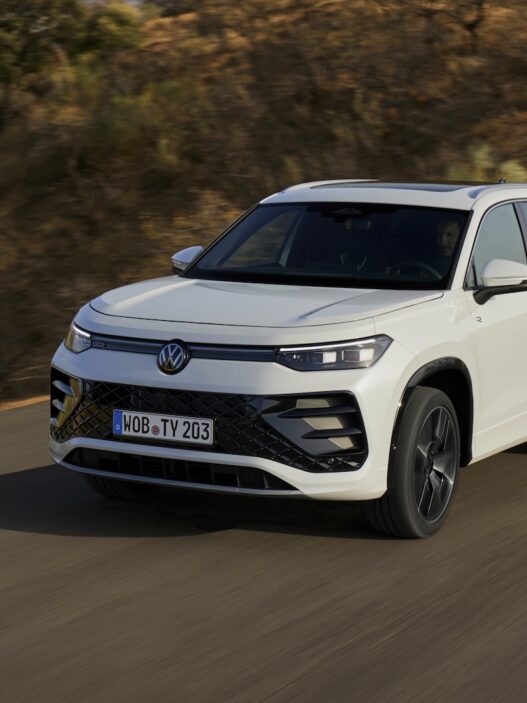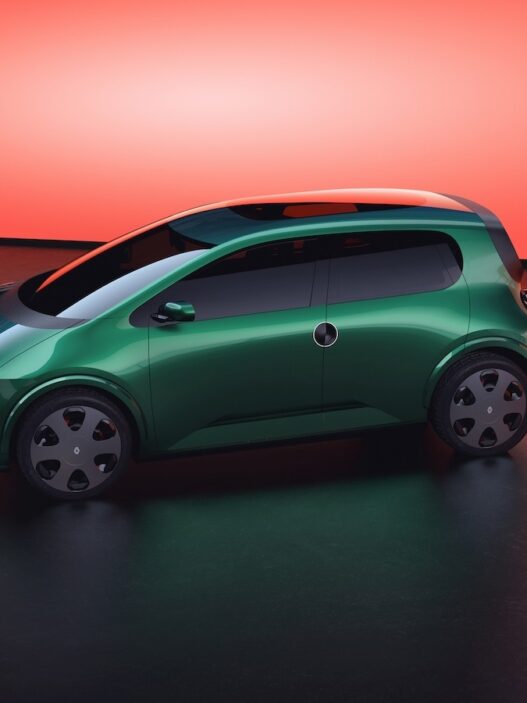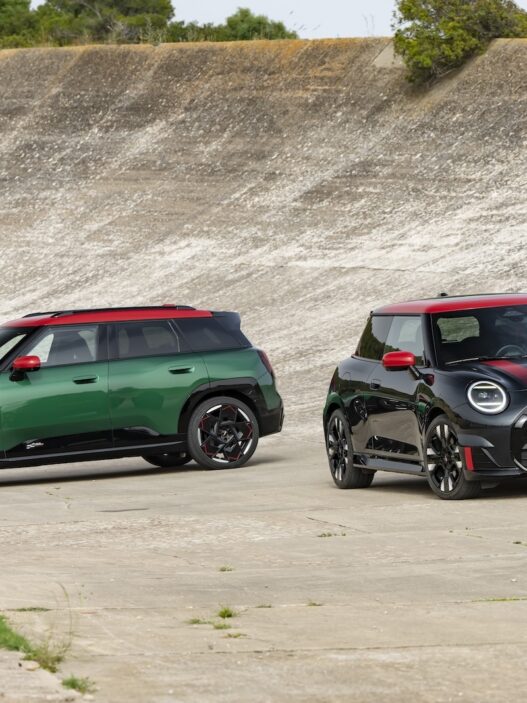


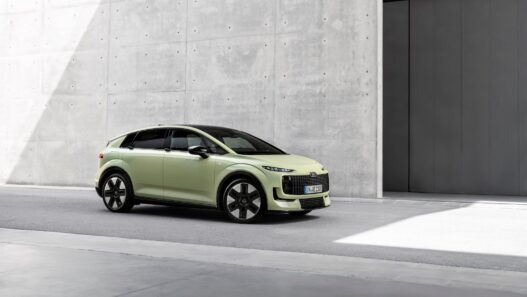



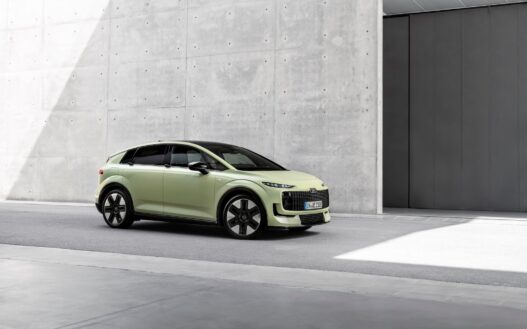
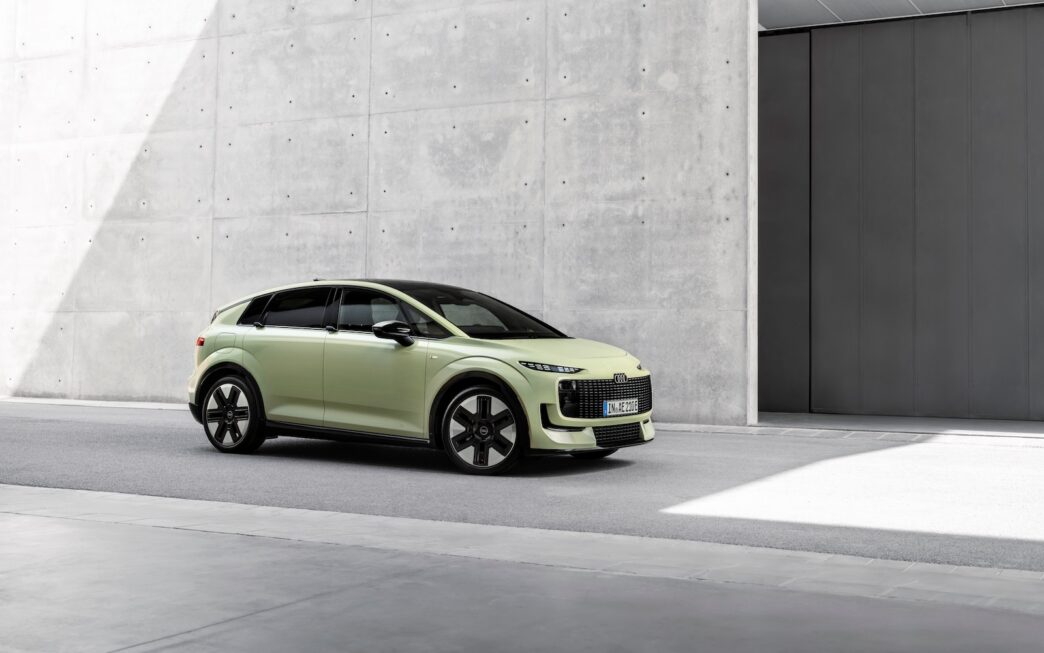
The name alone does the work here: Audi A2, a car so thoroughly associated with commercial disappointment that reviving it counts as either confidence or nostalgia, possibly both. What returns is an electric compact built largely on Volkswagen’s ID.3 platform, wearing Audi’s design language over borrowed mechanicals — a sequel to a flop, and an open question whether history repeats.
A Name Audi Keeps Calling „Ahead of Its Time“
Audi executives, discussing the original A2, tend to describe it as having arrived before the market was ready — the same explanation Mercedes offers for the first-generation Smart Fortwo, another innovative, commercially unsuccessful city car. Both nameplates are now returning; Smart under Geely ownership, and Audi’s A2 e-tron, developed and built in Ingolstadt, as a fully electric model sharing its platform, drivetrain, battery and axles with the current VW ID.3 Neo. Little of the original A2’s genuine engineering — its aluminium spaceframe body, class-leading drag figures, and famously frugal diesel — survives beyond the silhouette, now reinterpreted for 2026.
Design: The Shape That Outlived the Substance
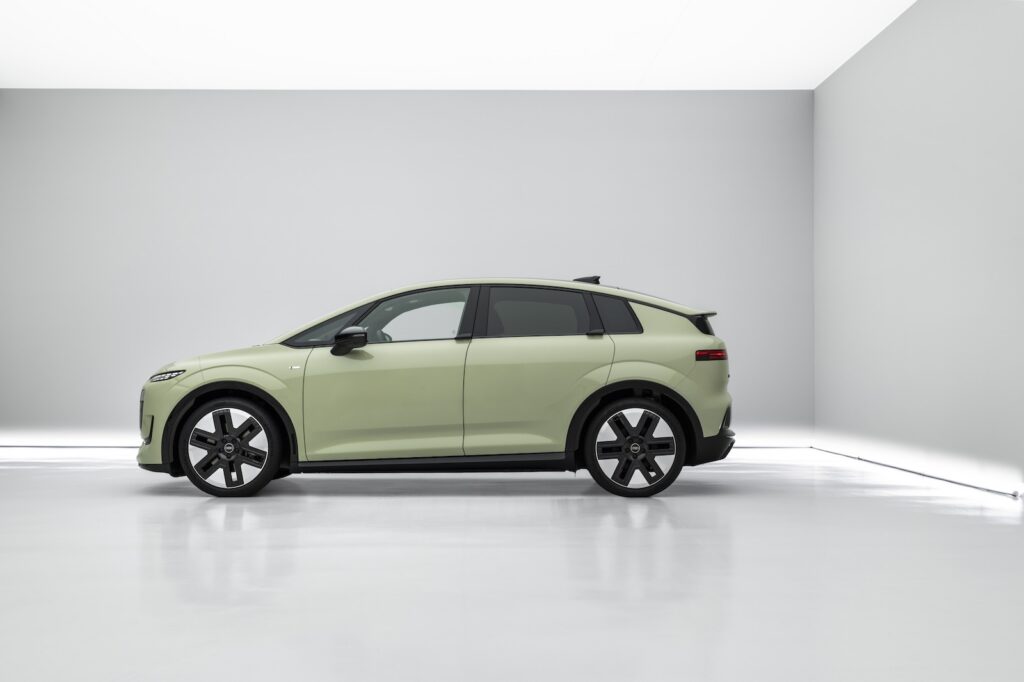
At 4.32 metres, the new A2 carries forward a design language that once counted against it — the original’s narrow proportions, tall body and thin eco-tyres drew criticism from buyers who wanted something less overtly „green.“ Ironically, that shape, modernised, has aged into something more acceptable now that eco-cars no longer need to visually announce themselves the way the Toyota Prius, BMW i3 or original A2 once did. Whether that’s enough to win over Audi loyalists who might have preferred a bolder statement, following the discontinuation of the A1 and A3, remains to be seen.
Aerodynamics and Cabin: Real Engineering, Quietly Delivered
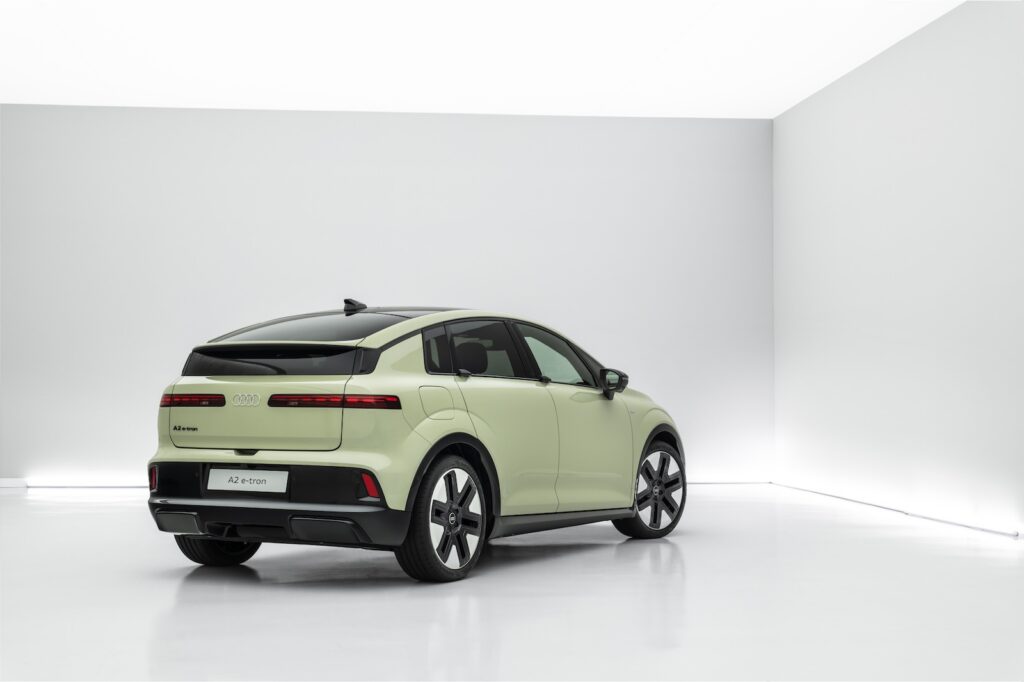
Audi has worked hard on drag reduction: a dedicated front spoiler, air curtains stabilising airflow around the front wheels, specific seam sealing, contoured wheel spoilers, chassis covers and defined trailing edges channel air to a larger rear diffuser, while a roof spoiler and C-pillar elements stabilise flow further up. The result is a drag coefficient of 0.24 — solid, if unremarkable by current standards.
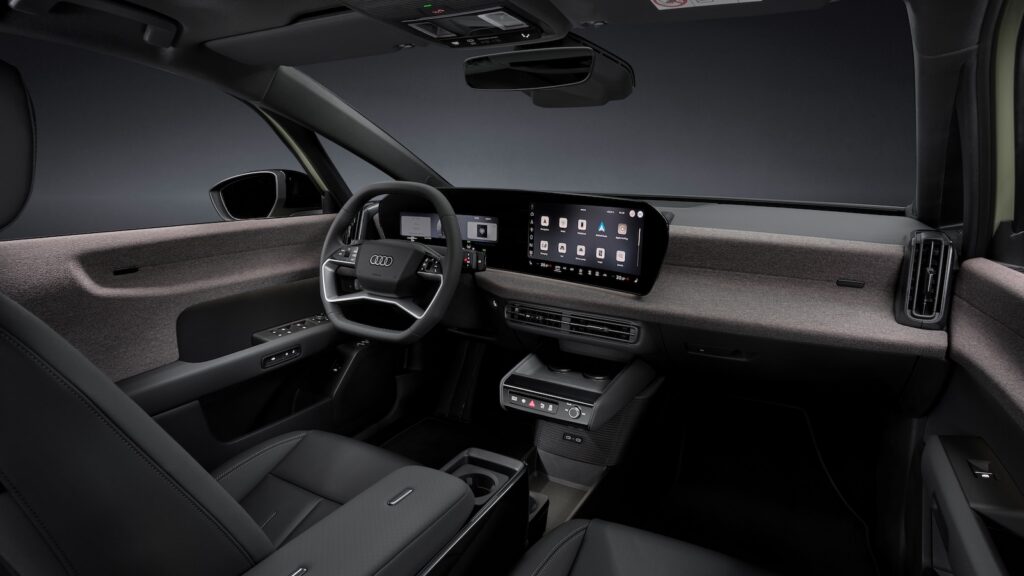
Inside, Audi’s newer design language brings genuine perceived quality, with fabric elements in the doors and carefully chosen surfaces that outshine several other MEB-based Volkswagen Group models, even if the close kinship with the VW ID.3 and Cupra Born remains impossible to fully disguise. A 2.77-metre wheelbase delivers generous space front and rear, with 396 litres of boot space expanding to 1,336 litres with the rear seats folded.
Powertrain: Four Outputs, One Notable Weakness
The line-up spans four power outputs and three battery sizes. The entry car, priced from €38,200, pairs 125 kW (170 PS) with a 52 kWh lithium iron phosphate battery for around 420 kilometres of range. A likely sweet spot is the 140 kW (190 PS) rear-driven version, with 350 Nm and a 61 kWh battery reaching 515 kilometres at a claimed 12.8 kWh/100 km.
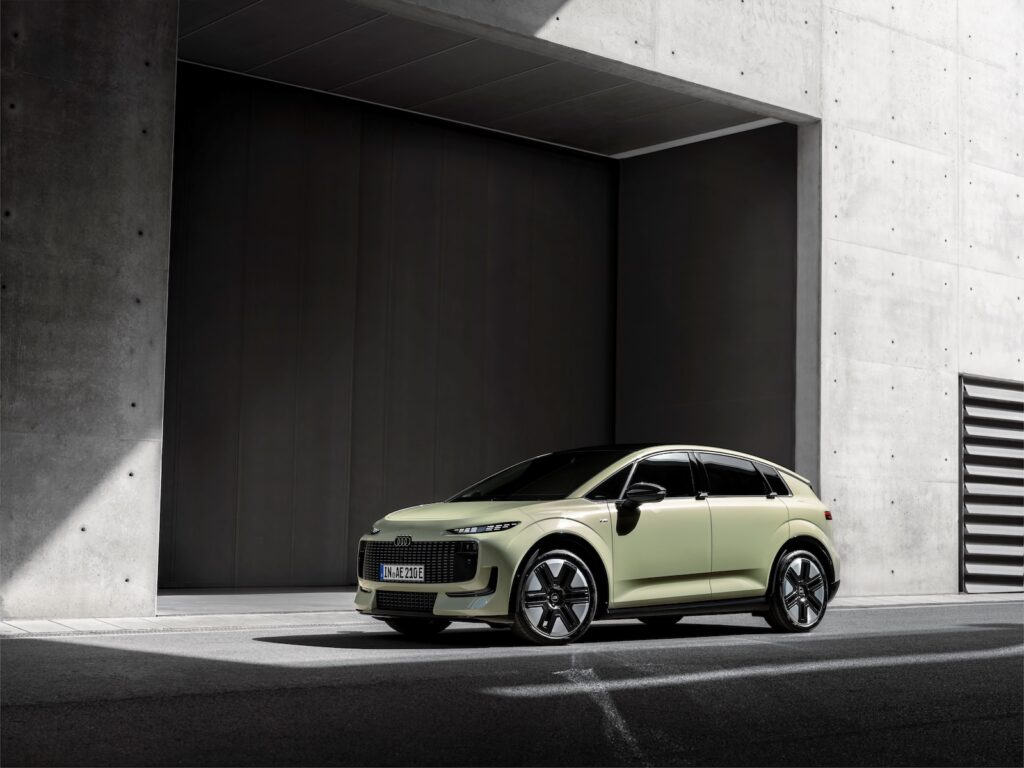
Both are limited to 160 km/h, as is the 170 kW (231 PS) version with an 84 kWh nickel-manganese-cobalt battery, good for up to 646 kilometres. Only the 240 kW (326 PS) flagship reaches 200 km/h — and, somewhat surprisingly, none of the four offers all-wheel drive. Charging is the clear weak point: the two entry versions manage only 100 to 105 kW on a fast charger, while the larger-battery cars reach a still-modest 183 kW.
Verdict: A Familiar Face, Borrowed Bones
Strengths: genuinely improved cabin quality over sibling models, strong aerodynamics, generous interior space, and a competitive entry price. Weaknesses: underwhelming charging speeds across the range, no all-wheel drive on any version including the flagship, and pricing for three of the four trims still unconfirmed ahead of the 10 September order opening and December launch. The shape survived its own commercial failure once already. Whether the substance underneath — borrowed this time rather than pioneering — proves enough to avoid a repeat is the real story here.