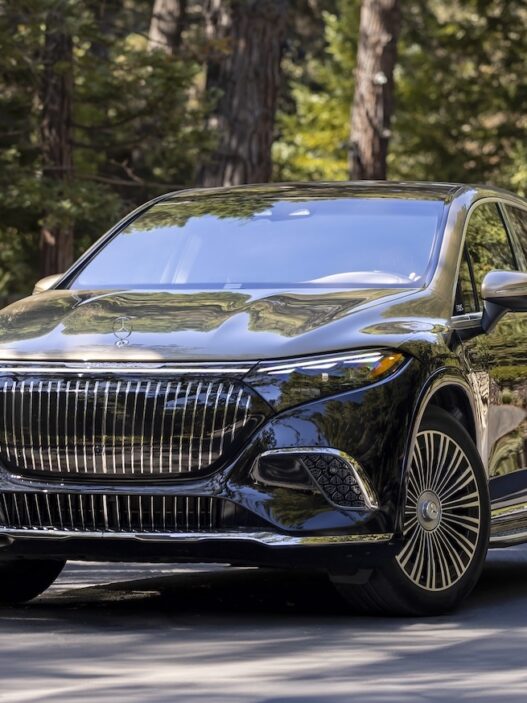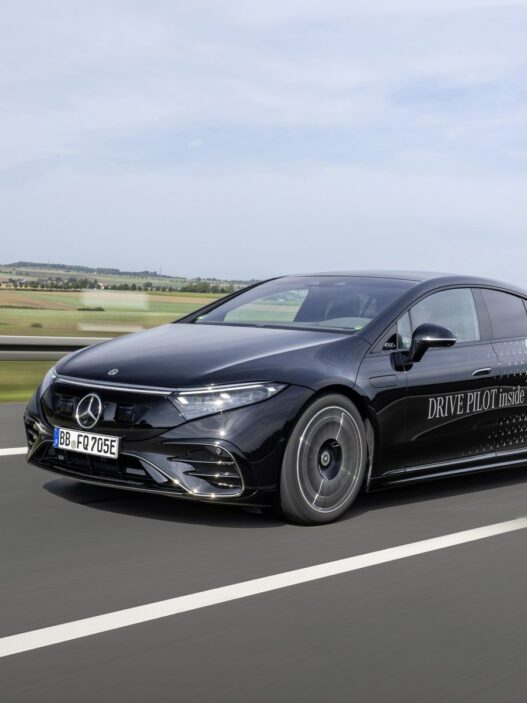




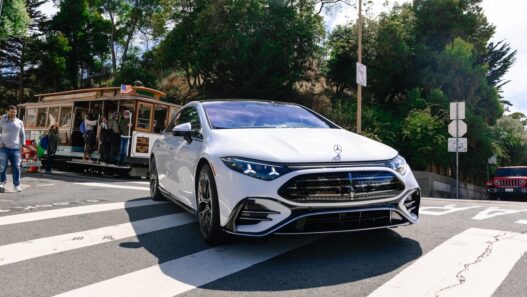

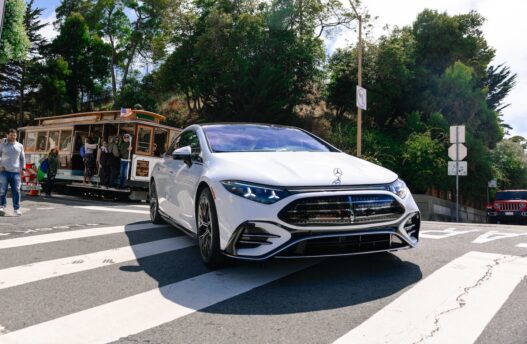
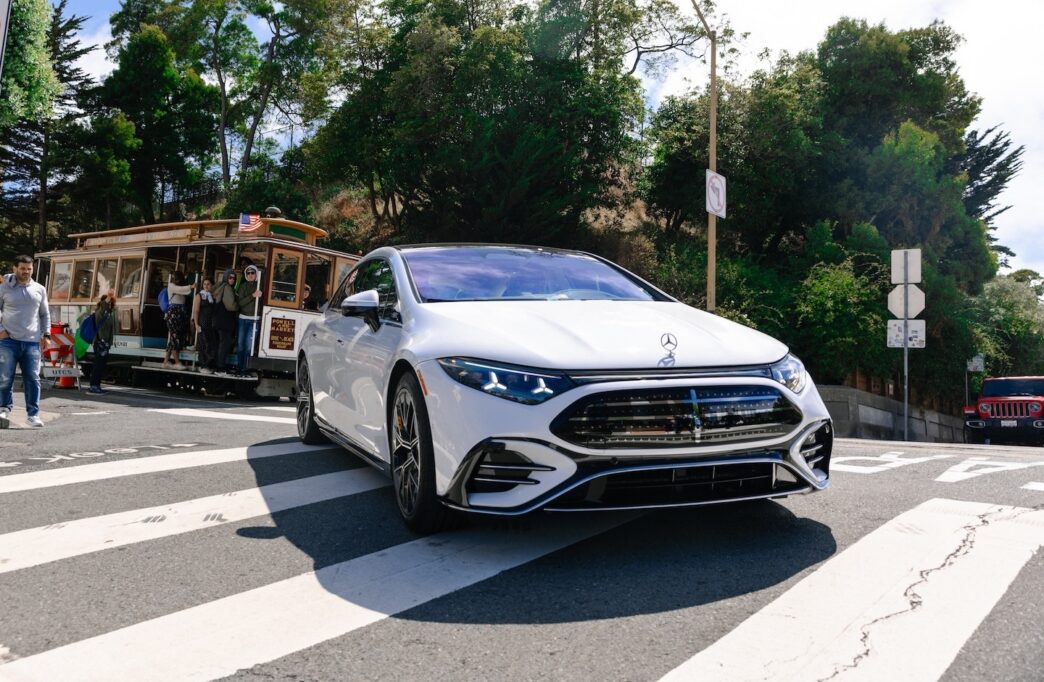
Every model has an origin story, and the EQS’s is a rocky one: conceived as an electric CLS, it was meant to rise into Mercedes-Benz‘ electric flagship, standing beside the S-Class rather than behind it. That promotion never quite happened. This latest update throws serious technology at the problem. The question is whether technology alone can finish the job.
A Name Still Chasing Its Ambition
The EQS has struggled to convince buyers it belongs at the top of the range. A styling refresh last year softened its arched silhouette, and comfort improved, particularly in the back seats.
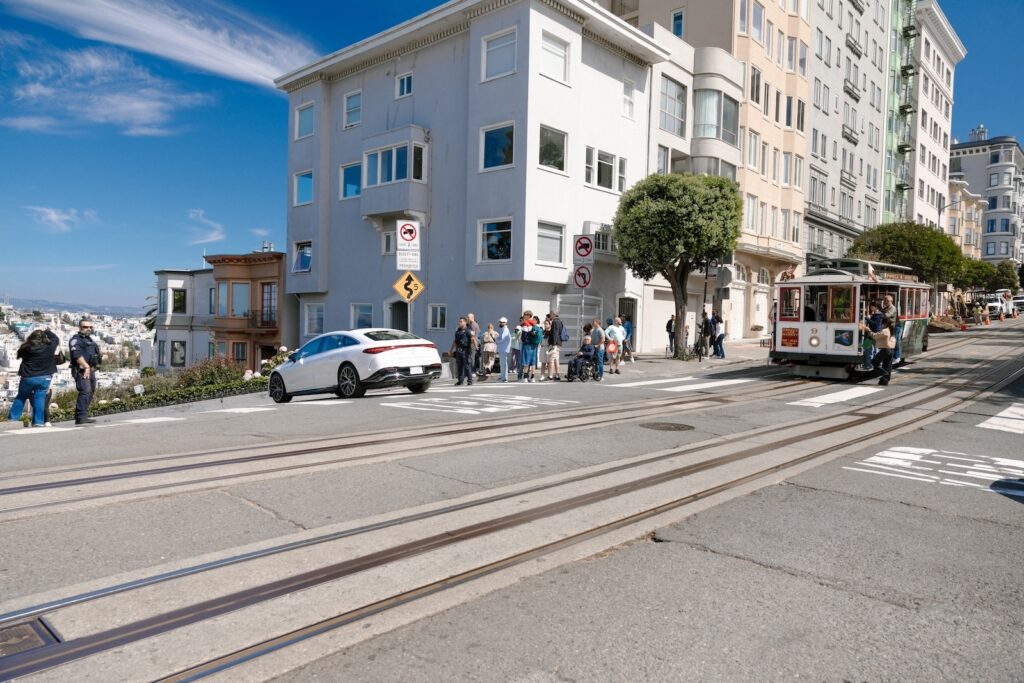
This time, the changes go deeper: an 800-volt electrical architecture, a larger battery, and an optional steer-by-wire system that removes the mechanical link between the steering wheel and the front wheels entirely. A first for a German production car.
Range and Charging: Genuinely Impressive Numbers
A new cell chemistry lifts the underfloor battery from an already-expanded 118 kWh to 122 kWh. In the EQS 450+, that translates into a claimed maximum range beyond 920 kilometres between charges, territory usually associated with an efficient diesel.
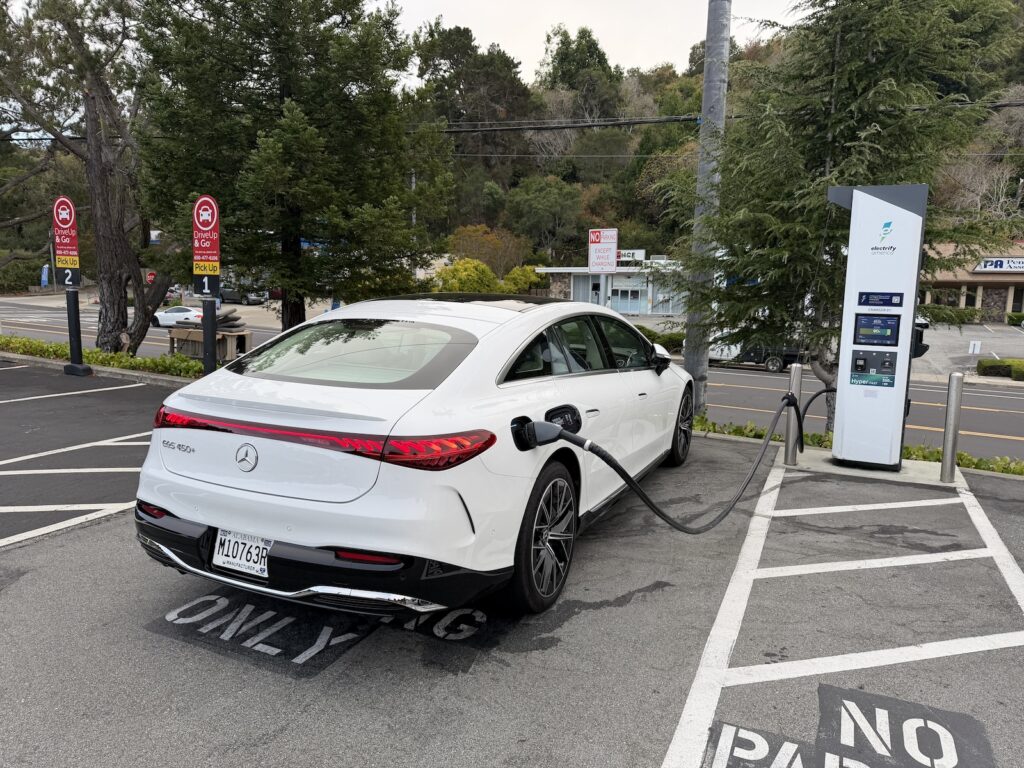
Charging, too, has taken a real leap: with the new 800-volt system, peak charging power reaches 350 kW, adding more than 300 kilometres of range in around ten minutes at a compatible fast charger. Whichever way you cut it, this is a car built for long distances with minimal fuss.
Power: Comfort Over Bragging Rights
Buyers choose from a range of outputs. The entry-level EQS 400 makes do with a 112 kWh battery and 270 kW or 367 PS, priced under €95,000. Higher up, rear- or all-wheel-drive versions offer 408, 476 or a substantial 585 PS.
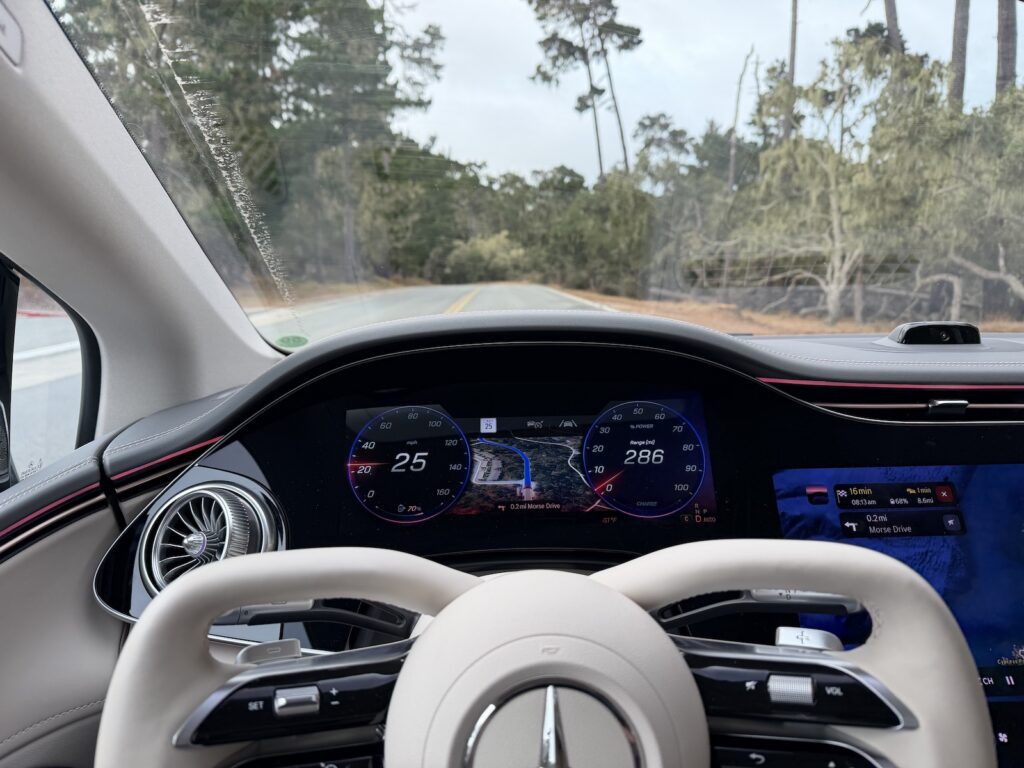
The volume model, the 450+ tested here, produces 300 kW or 408 PS and 505 Nm of torque, enough for confident cruising, though top speed is capped at 210 km/h. Against the fiercest electric rivals, these outputs look restrained, but Mercedes-Benz is clearly prioritising comfort, quietness and range over outright thrust.
Steering Without Wires: Clever, but Does It Matter?
From the new year, buyers can add steer-by-wire for €2,500. Steering inputs travel via sensors and actuator motors to both axles, with no physical connection to the front wheels. The most noticeable change isn’t the system itself but the unusually shaped, top-opened steering wheel that comes with it. A design that brings no obvious benefit to the driver but visibly signals what the car can do: small wheel movements translate into large steering angles, so there’s no need to shift your hands during a sharp turn, much as in some Lexus or Tesla models.
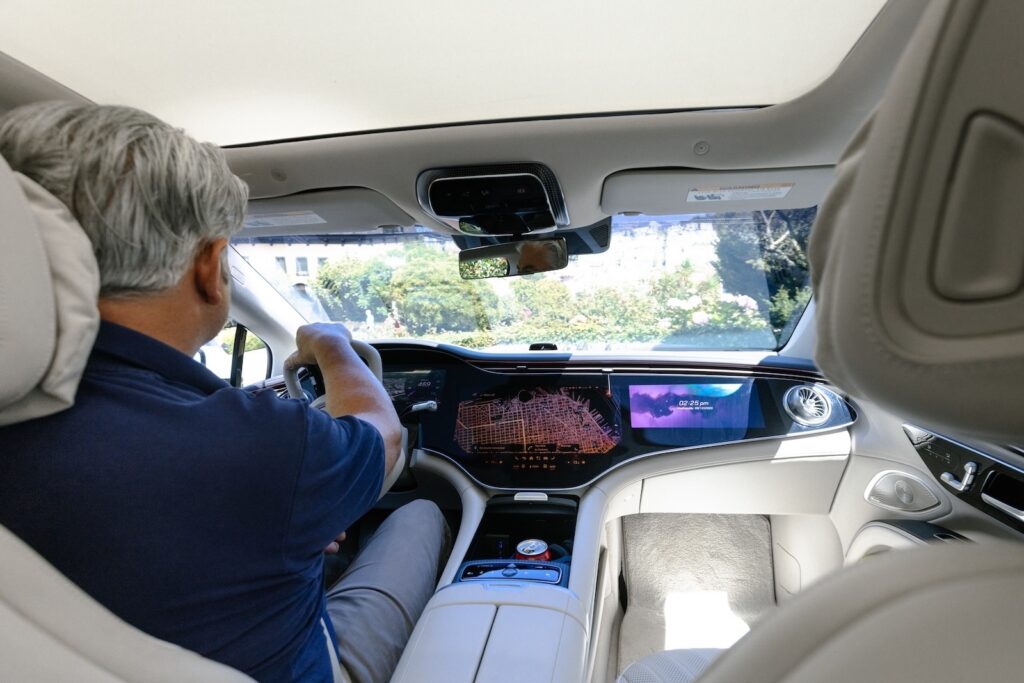
After a short adjustment period, manoeuvring the 5.23-metre car into tight spaces or changing lanes becomes precise, if slightly synthetic in feel. Merging onto a motorway needs barely a flick of the wrist. Whether the surcharge is worth it is doubtful, but the underlying technology looks likely to spread, since it saves space and simplifies right-hand-drive production.
Comfort: Better, Still Not the S-Class
Inside, Mercedes-Benz has clearly worked on rear-seat comfort. Optional Executive seats, priced at roughly €3,900, add a specially angled footrest between the front seat rails, a front passenger seat that folds forward, and a rear backrest adjustable up to 38 degrees, plus heating that extends to the neck and shoulders.
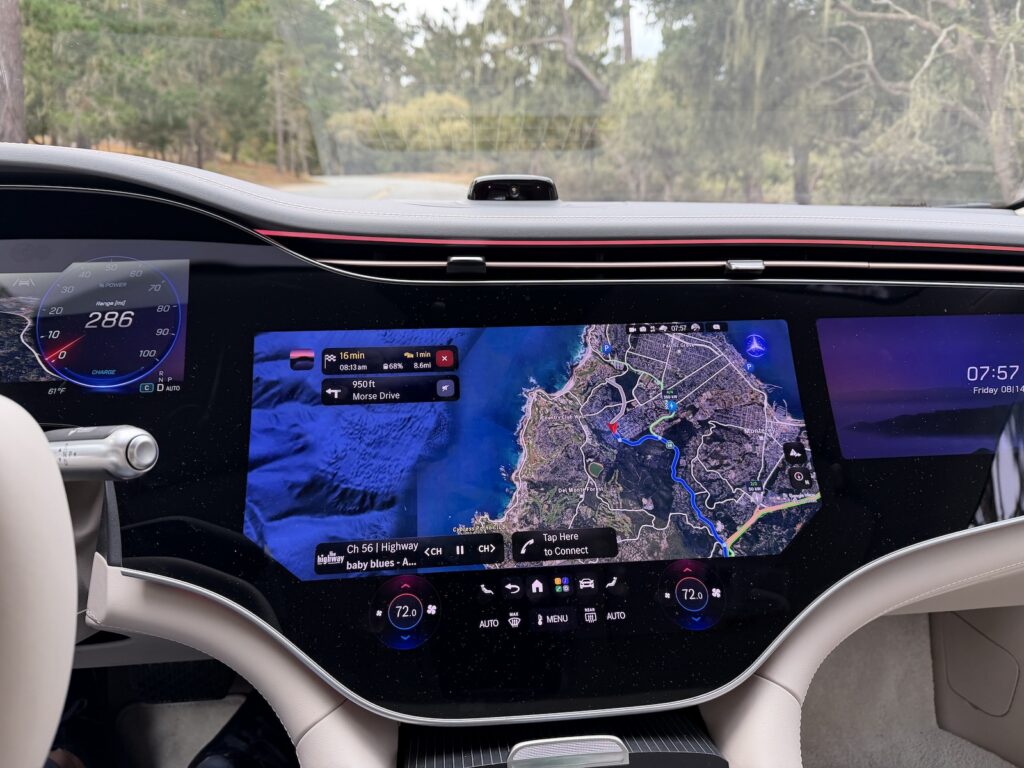
The large Hyperscreen and a heat pump are now standard. Yet the gap to the recently refreshed S-Class hasn’t closed: the seats front and rear still fall short of that car’s plushness, and even the smaller electric C-Class matches the EQS on trim and materials.
Verdict: Technically Ahead, Emotionally Still Catching Up
Strengths: exceptional range, genuinely fast charging, a broad and sensible model line-up, and steering technology that works better than its novelty suggests. Weaknesses: an interior that still trails the S-Class in outright luxury, a steer-by-wire option whose price is hard to justify on driving feel alone, and a design that continues to divide opinion. The EQS 450+ finally has the technical case to match its original ambition. Whether it can shed the reputation of being the electric flagship that never quite arrived is, for now, still an open question.