





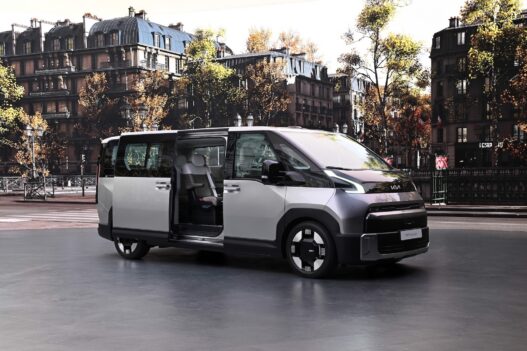
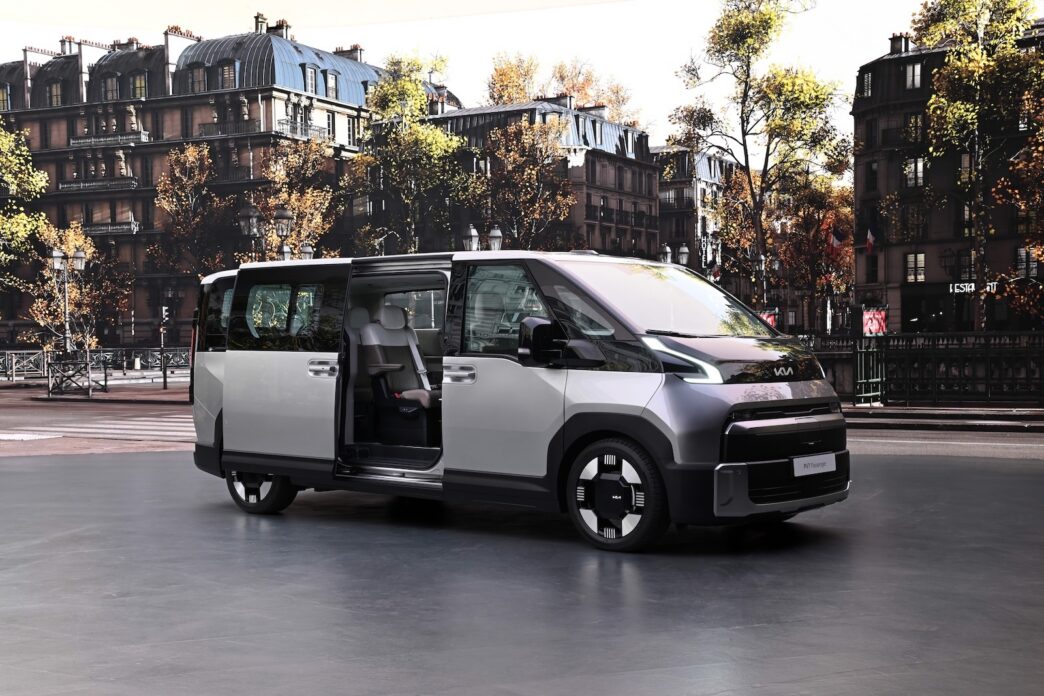
A good multi-tool earns its keep not through any single blade, but through how many jobs one object can quietly handle. Kia’s new PV7, unveiled at Hanover’s commercial vehicle show, works on exactly that logic. Fold out the right configuration and it’s a cargo hauler, a nine-seat minibus, or eventually a camper. The question the industry is now asking is whether one tool can really do all three well.
A Bigger Blade Than Anyone Expected
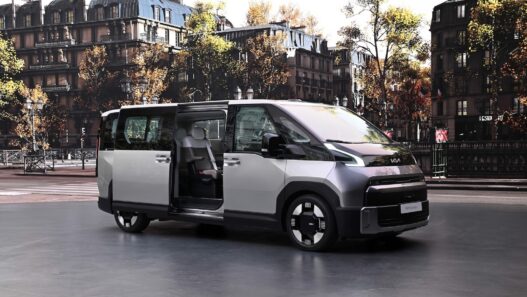
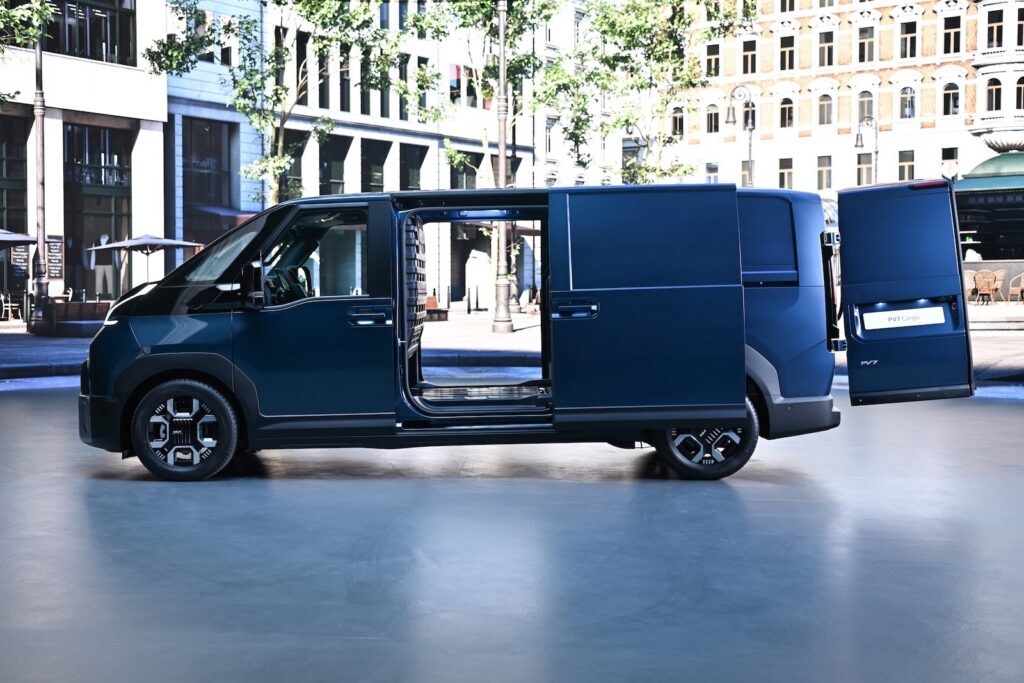
The PV7 follows the smaller PV5, which already unsettled Europe’s van market a few months ago. Where the PV5 proved Kia could build something competent, the PV7 arrives with a technology and comfort package that looks genuinely uncomfortable for Ford, Volkswagen and Stellantis. Buyers choose between two wheelbases, two roof heights and two nickel-manganese-cobalt battery packs, 71 kWh and 96 kWh, depending on whether they want a pure panel van or the passenger-carrying version. At launch, every PV7 uses the same 200 kW, or 272 PS, front motor producing 420 Nm, with all-wheel drive and camping conversions due later. Kia says the lineup will grow to 23 variants by the following model year, which is less a facelift schedule than an entire product family unfolding from one base.
Charging: The One Genuinely Fast Blade
Every version sits on the E-GMP.S platform and shares an 800-volt electrical architecture, enabling charging speeds of up to 350 kW where the charger allows it, with a 10-80% top-up taking around 25 minutes. The smaller battery is rated for roughly 350 km of range, the larger one for up to 460 km. A second AC charging point can be specified at the rear right wing alongside the main front connector, useful for anyone who parks nose-in and doesn’t fancy walking round the whole vehicle to plug in. The Vehicle-to-Load function lets stored energy power external equipment through multiple 230-volt sockets inside and out, effectively turning the van into a generator for anyone working away from a fixed power supply.
Cargo and Seats: Two Very Different Jobs, One Body
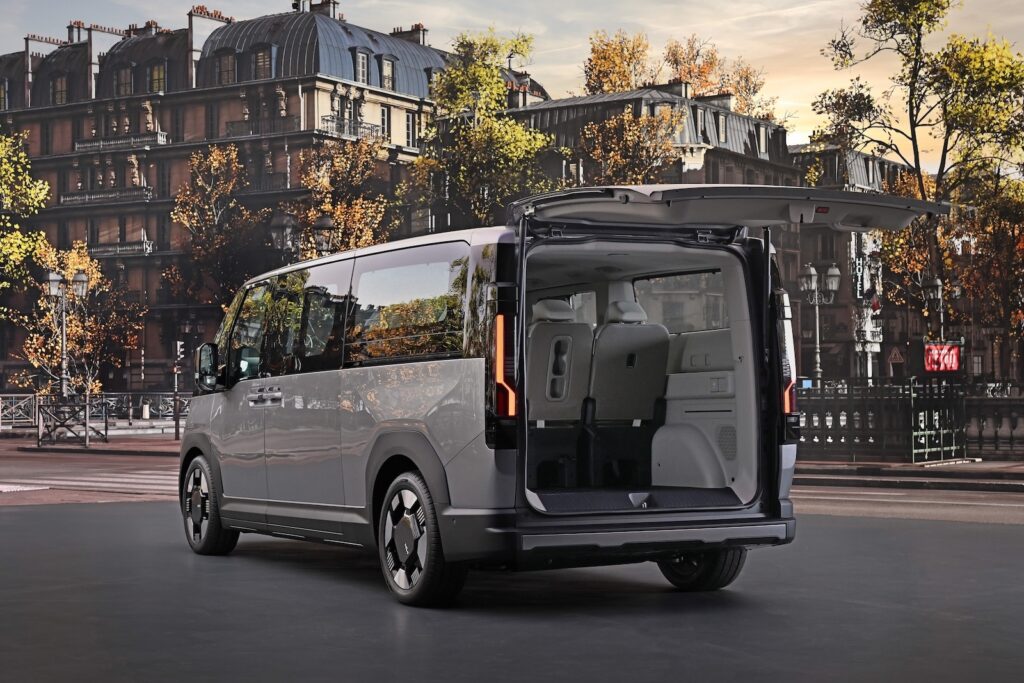
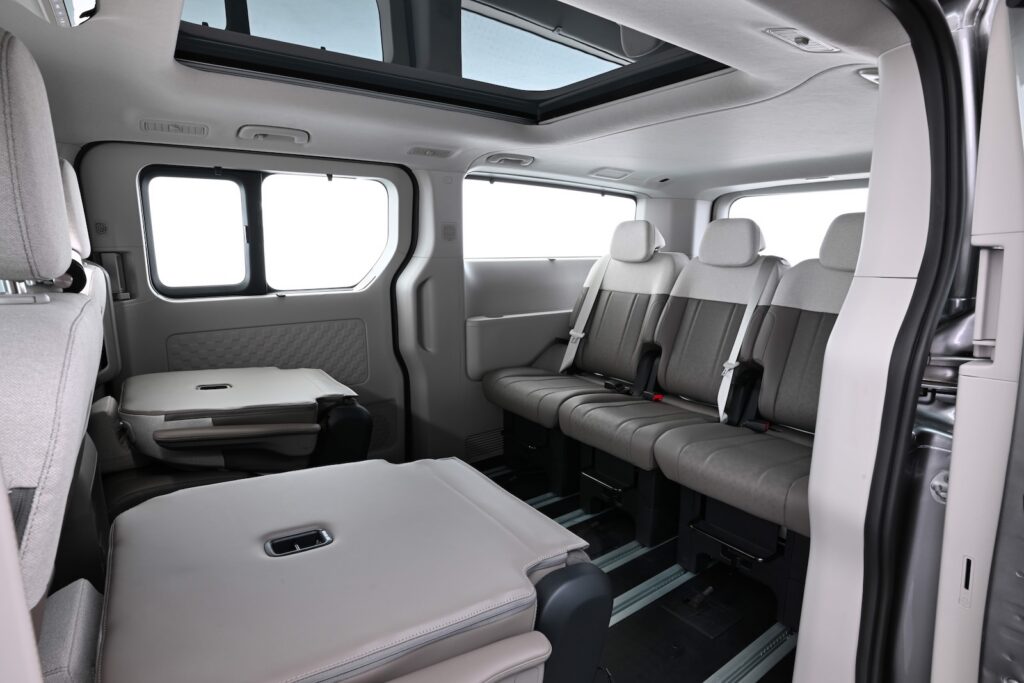
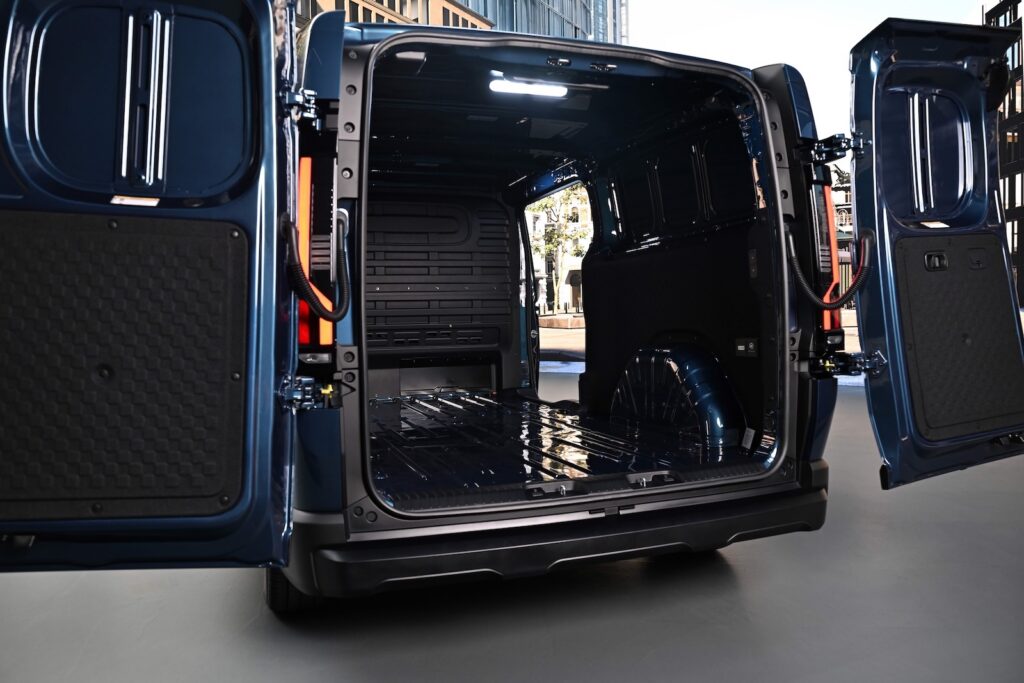
The long-wheelbase PV7 measures 5.35 metres and holds up to 6.1 cubic metres with a standard roof, or 8.0 cubic metres with the high roof, on a payload of between 1,165 and 1,200 kg. The long panel van swallows three Euro-pallets, and a loading sill of just 55 cm keeps awkward lifting to a minimum. Switch to the passenger layout and there’s room for up to nine across four rows, with rear seats that slide on rails, flip, or come out entirely once the optional powered sliding doors are open. Seat ventilation, USB points, separate climate zones, blinds on the rear windows and an optional panoramic roof round out a specification list that reads more like an SUV brochure than a van’s.
Inside: A Lesson Kia Actually Learned
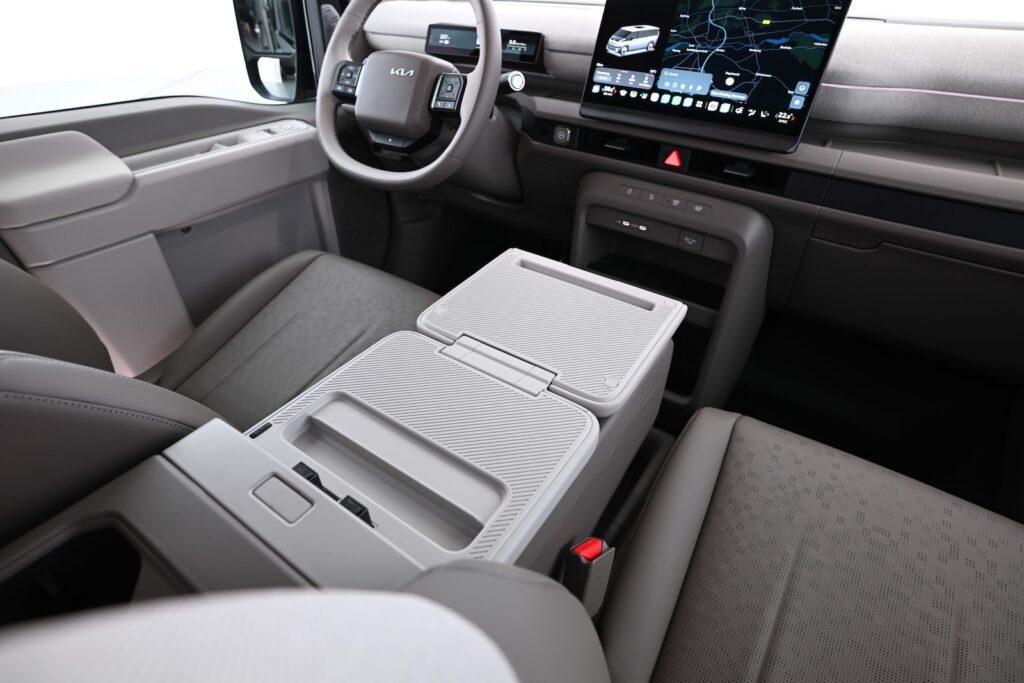
Two screens, 12.9 and 14.6 inches, dominate the dashboard. The more telling detail sits just below them: physical climate buttons have returned beneath the central display, a direct response to feedback from early PV5 owners who apparently missed having something to press. It’s a small concession, but not a common one in an industry still convinced touchscreens solve everything.
One Base, Many Trades
What separates a genuine multi-tool from a gimmick is whether the individual blades actually get used, and here the PV7’s dual purpose looks deliberate rather than accidental. The same underlying platform serves a tradesperson who needs three pallets of cargo and a socket for power tools, and a family or shuttle operator who needs nine seats and USB points instead. Very few vehicles manage that switch convincingly without feeling compromised in one direction or the other. On paper, at least, the PV7 doesn’t feel like a van with seats bolted in as an afterthought, or a minibus with the cargo capacity apologetically shrunk to make room for people.
Verdict: A Genuinely Sharp Tool, Price Still Folded Away
Kia CEO Ho Sung Song calls the PV7 a „complete business solution“ that goes beyond the vehicle itself, and for once the marketing language undersells rather than oversells what’s actually on offer. What’s missing from this picture is the one figure that will decide whether any of it matters: Kia hasn’t announced pricing, and a PV9 sibling is already confirmed for 2029, so the blade count is only going up. Judged purely on specification, the PV7 looks like the rare multi-tool where every blade was actually sharpened rather than bolted on for the brochure photo. Whether it cuts as well on the road, and at what price, remains the one edge nobody’s tested yet.