




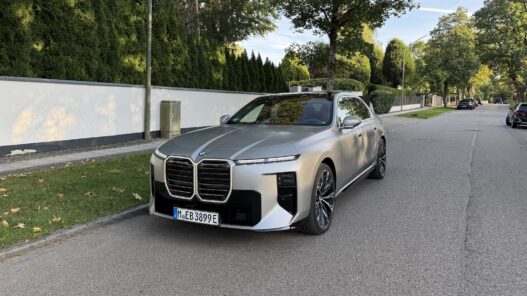
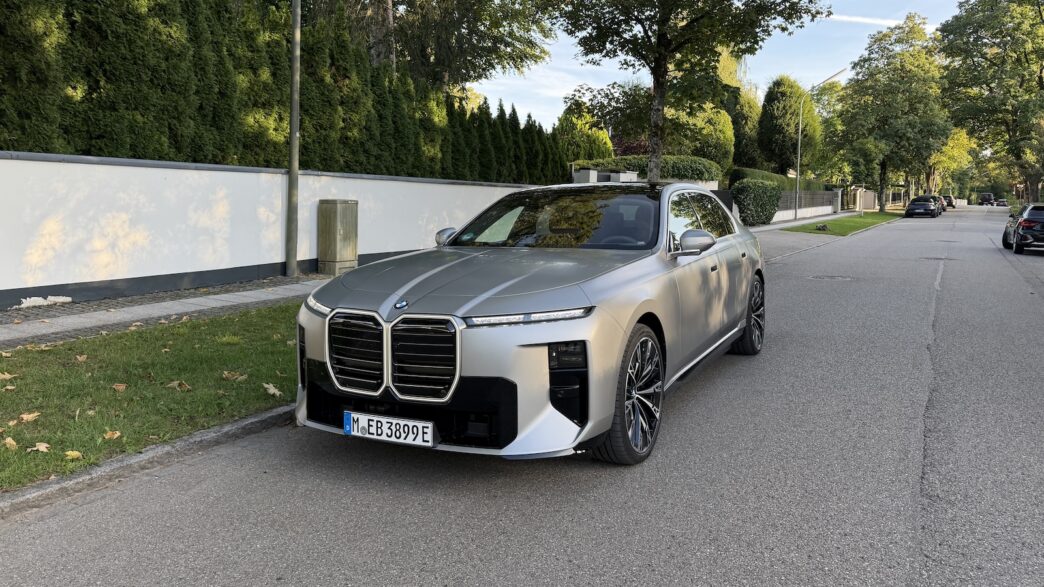
Book the finest suite in a five-star hotel and everything inside it will be flawless, the linen, the room service, the hush of triple-glazed windows shutting out the street below. Then you press the lift button and wait, and wait, because the building never got around to upgrading the one piece of infrastructure every single guest actually depends on. BMW’s refreshed i7 60 xDrive is that hotel. The suite has never been better. The lift still crawls.
A Facelift That Argues With Itself
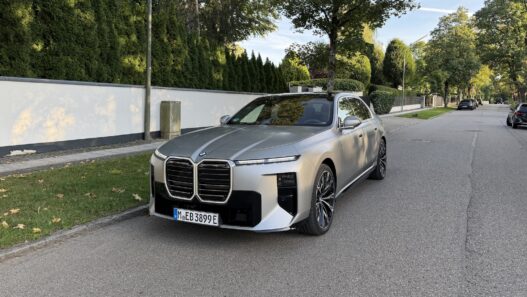
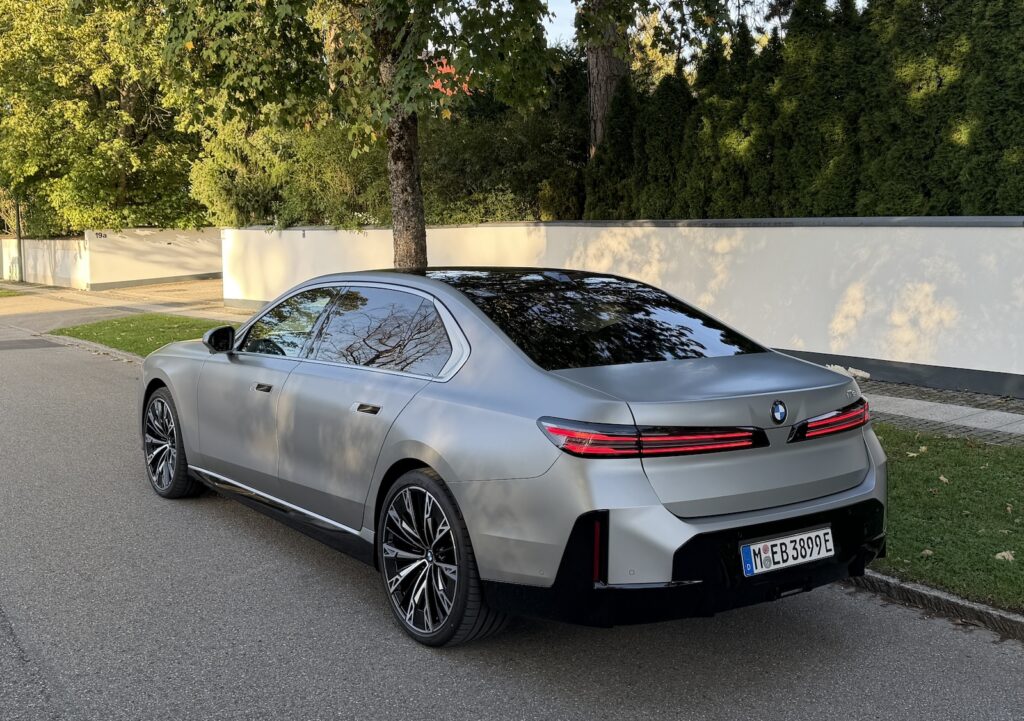
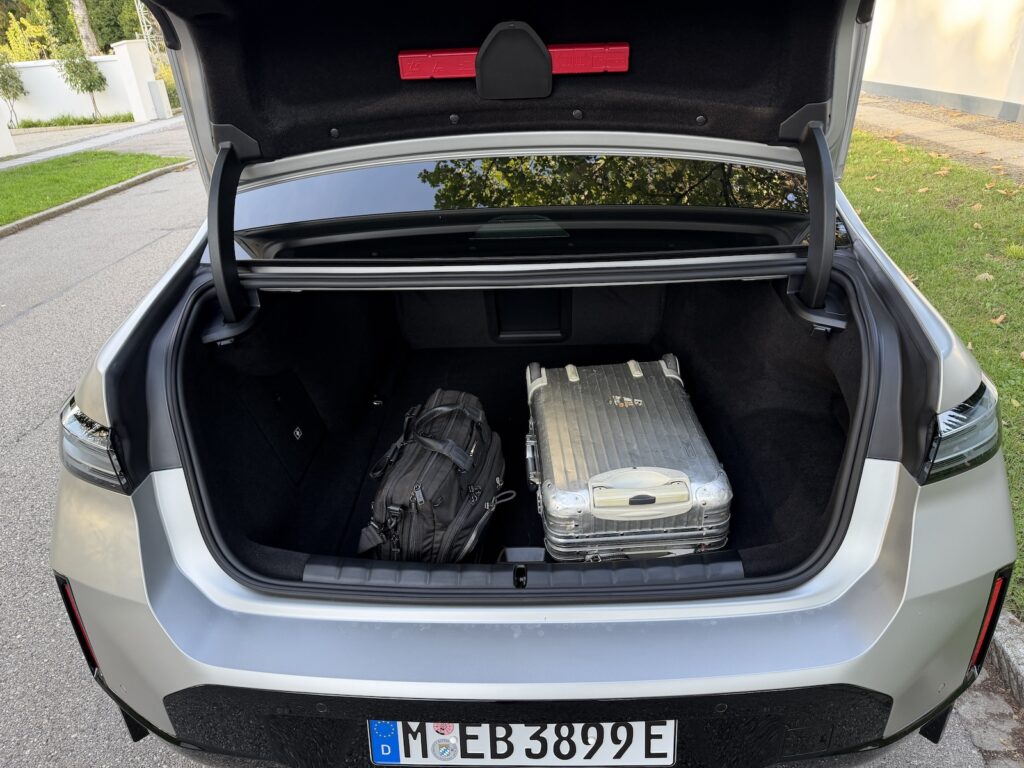
The reworked 7er wears its facelift with genuine confidence. LED eyes sit deeper in an already imposing front end, the contoured bonnet gives the 5.40-metre saloon real presence at first glance, and the rear retains its understated elegance, particularly in the two-tone paint popular across Asian markets.
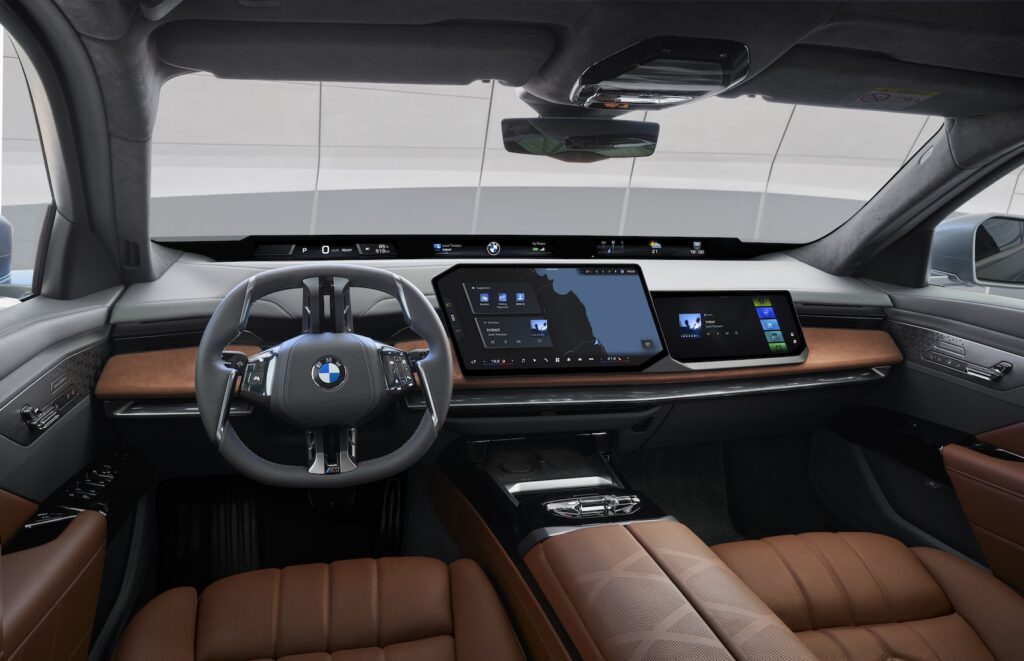
Inside, though, longtime BMW luxury customers face a jolt: the tidy display layout familiar from 7 Series, 8 Series and X7 has given way to a new panoramic arrangement borrowed from the iX3, complete with a narrow info strip and a near-18-inch central screen. Beyond a long-overdue passenger display, it offers little genuine advantage, and some information now duplicates itself awkwardly between the panoramic screen and the head-up display.
The Suite Gets Renovated, the Lift Doesn’t
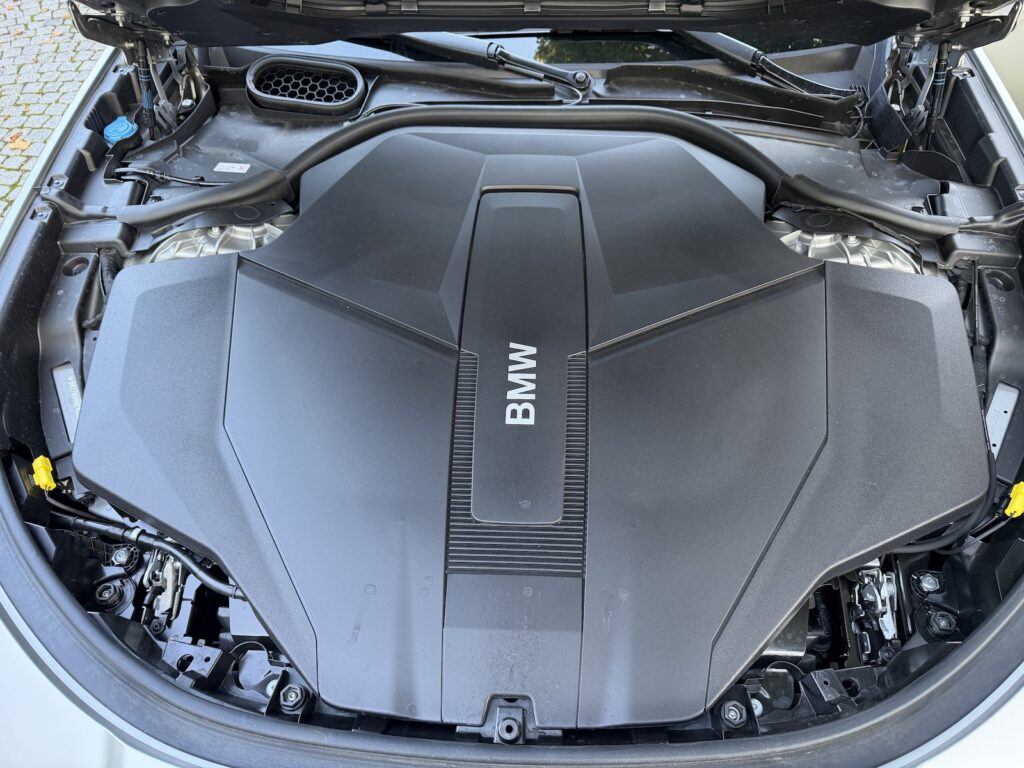
Here is exactly where the hotel comparison earns its keep. BMW spent real engineering effort reworking a cockpit that barely anyone had complained about, while leaving untouched the one system genuinely overdue for modernisation: charging. The i7 still runs on 400-volt architecture, capping charging at 250 kW, at a time when 800-volt systems, even from BMW itself, now appear in considerably cheaper cars.
Mid-range models, SUVs and vans elsewhere in the industry charge at 350 kW, 400 kW or more. Rival Mercedes-Benz switched its EQS to 800 volts in its own recent update. For a car starting at 145,740 euros, that gap stings. Optional Level 3 semi-autonomous driving has also quietly been dialled back to Level 2+, matching Mercedes‘ own retreat, so motorway driving still demands full attention, even if the system handles town and country roads smoothly right up to a safe stop at traffic lights.
Inside: Genuinely Quiet, Genuinely Quick
None of this undermines what the i7 does supremely well. Alongside the electric model, BMW still offers the 7 Series with petrol, diesel and plug-in hybrid power, spanning 294 kW or 400 PS up to 450 kW or 612 PS, and for many European buyers the excellent diesel remains a serious alternative. But the electric i7 60 xDrive, with its 112 kWh battery and around 550 kilometres of real-world range, makes a compelling case on its own.
Its 400 kW or 544 PS and 745 Nm push a car weighing over 2.7 tonnes with near-playful urgency, up to an electronically limited 240 km/h. On the move, the air suspension absorbs broken tarmac so completely that neither front nor rear passengers notice, steering feels precise without nervousness at any speed, and the once-clumsy rear-axle support has been thoroughly sorted. Electric seats front and rear, extensive shading and powered doors round out a cabin that, aside from a surprisingly unglamorous steering wheel, feels genuinely premium throughout.
Choosing a Drivetrain Under the Same Roof
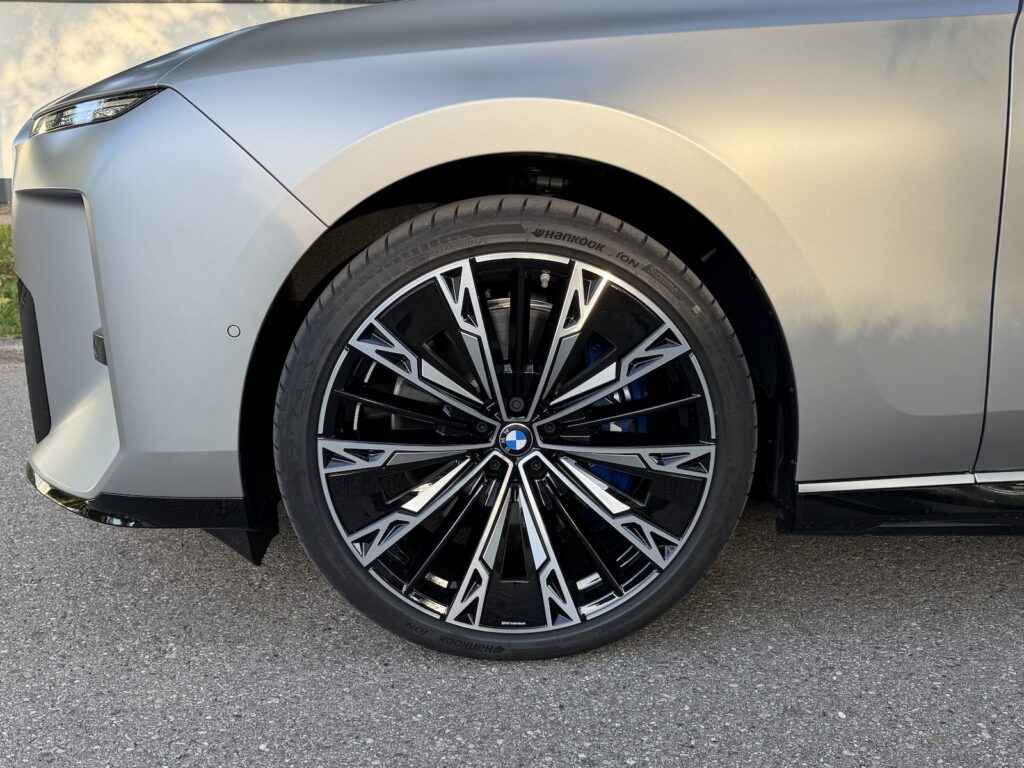
Worth noting: none of this forces a choice on the buyer. The 7 Series still comes in whichever configuration suits, badge on the boot lid aside, the bodywork looks identical whichever engine sits beneath it.
That flexibility matters, because the electric i7 and the excellent diesel serve genuinely different kinds of ownership, one built around shorter, predictable journeys where 550 kilometres of range is plenty, the other built for buyers who cover serious distance and would rather not think about charging stops at all.
Verdict: Book the Room, Dread the Elevator
The i7 60 xDrive remains one of the best-driving cars in the luxury segment, comfortable at any speed and genuinely enjoyable behind the wheel. But the decision to overhaul a cockpit nobody was complaining about while leaving charging speed untouched looks like effort spent in the wrong direction.
The suite has never been finer. The lift, unfortunately, is exactly as slow as it was before, and at this price, guests notice, particularly the ones who actually needed to get somewhere in a hurry.