




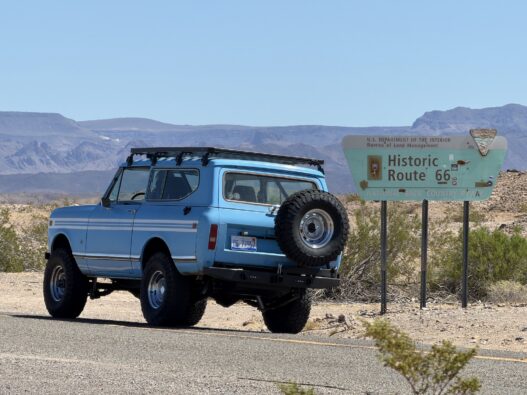
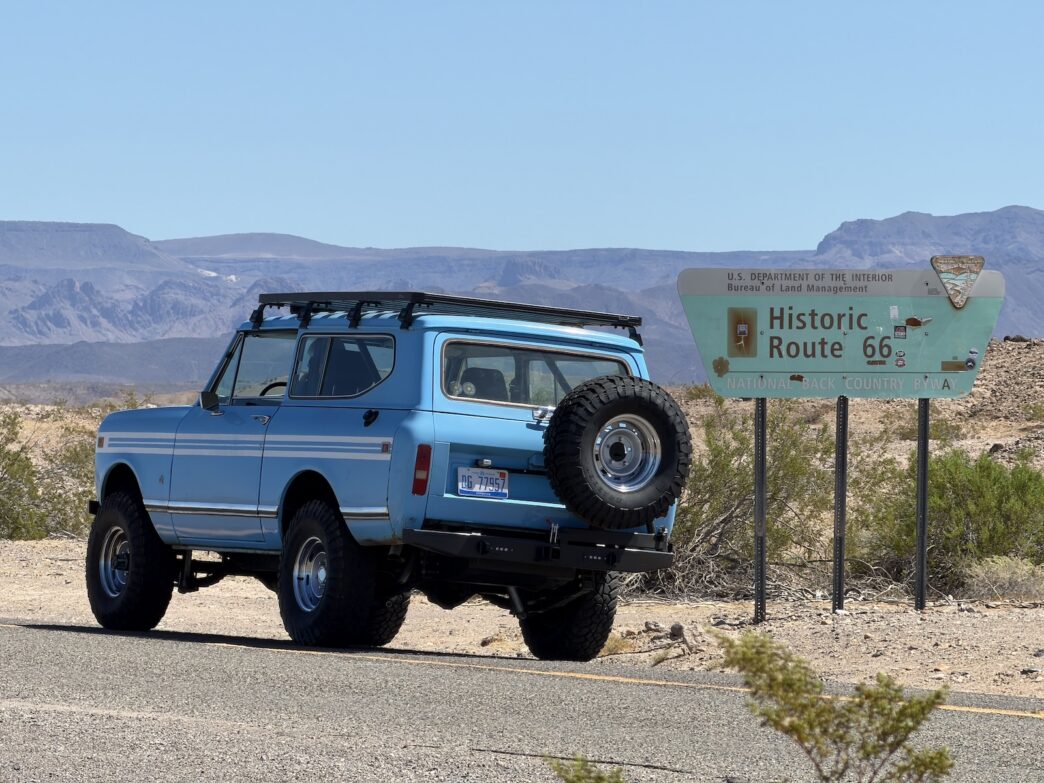
Say „Scout“ to most Americans today and you’ll likely get a blank look, or worse, a confident guess of „Ford Bronco“. That’s the exact mix-up Volkswagen is betting billions will reverse: reviving a nameplate few remember to sell trucks nobody’s driven yet.
A Name Borrowed From a Forgotten Rival
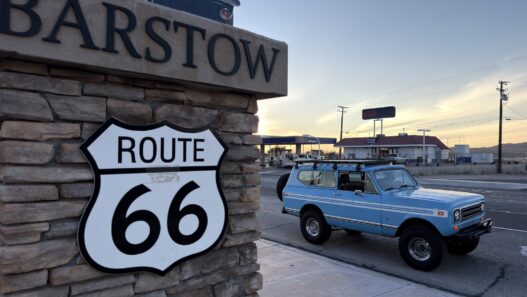
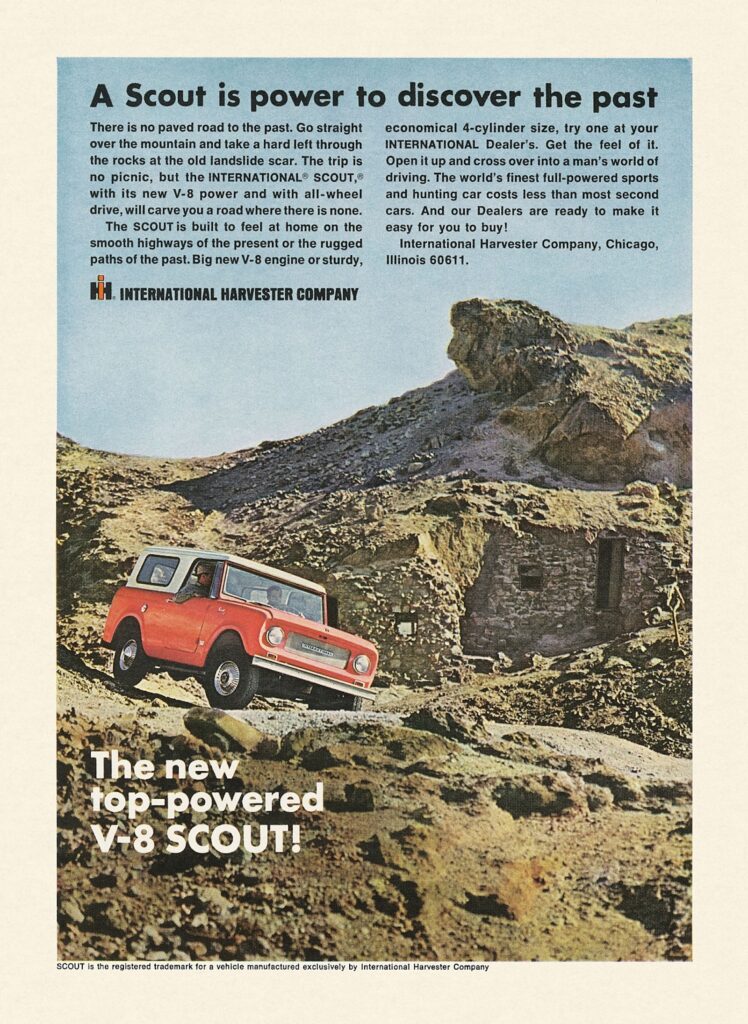
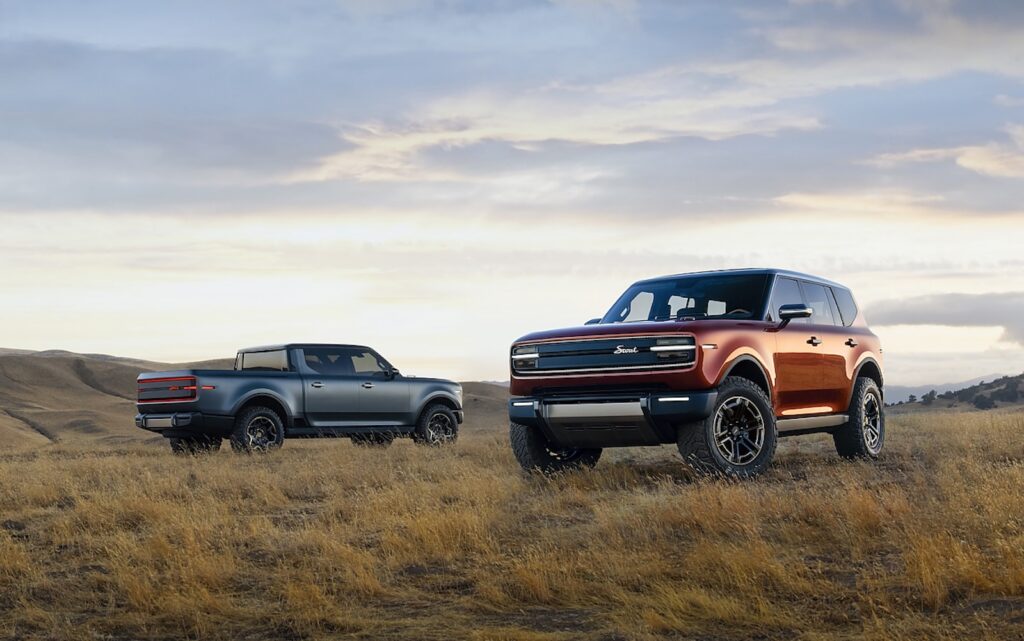
Scout was originally a model name from International Harvester, the farm-equipment maker that built rugged off-roaders alongside its tractors and combines from the early 1960s. Volkswagen, which had acquired the name years ago for more rustic Skoda models, has repurposed it as a standalone American brand, betting on heritage that, by the source material’s own admission, barely survives in public memory. Scout Traveler, a large SUV, and Scout Terra, an equally substantial pickup, share a technical platform and are meant to win over American buyers who’ve so far had no reason to consider a Volkswagen-badged truck.
The Business Case: Filling a Gap Volkswagen Has Ignored for Decades
Volkswagen’s US business has struggled for years specifically because it lacks entries in America’s most popular categories: full-size pickups and off-road SUVs. Its Chattanooga, Tennessee plant currently builds little beyond the recently revised Atlas. Despite pressures in China and Europe, Volkswagen is pressing ahead with Scout regardless, aiming squarely at the Ford F-150 and Expedition, Chevrolet Silverado and Tahoe, Ram, and Jeep Wagoneer. Scout Motors president and CEO Scott Keogh frames it as a return to first principles: „rugged, versatile vehicles suited to both off-road adventure and family life,“ delivered, he says, alongside thousands of new American jobs.
A Reversal on Electric-Only
The plan has changed since its original announcement. Pure electric pickups and SUVs remain a tough sell in North America, where petrol and diesel engines still dominate demand, so Scout is adding a range-extender option alongside the pure-electric versions. Battery-only models offer over 500 kilometres of range; range-extender versions push that beyond 900 kilometres between charging stops. Electric motors on both vehicles are expected to produce well over 367 kW (500 PS) and more than 1,200 Nm of torque, with an 800-volt system enabling charging speeds up to 350 kW.
Genuine Off-Road Hardware, Not Just SUV Styling
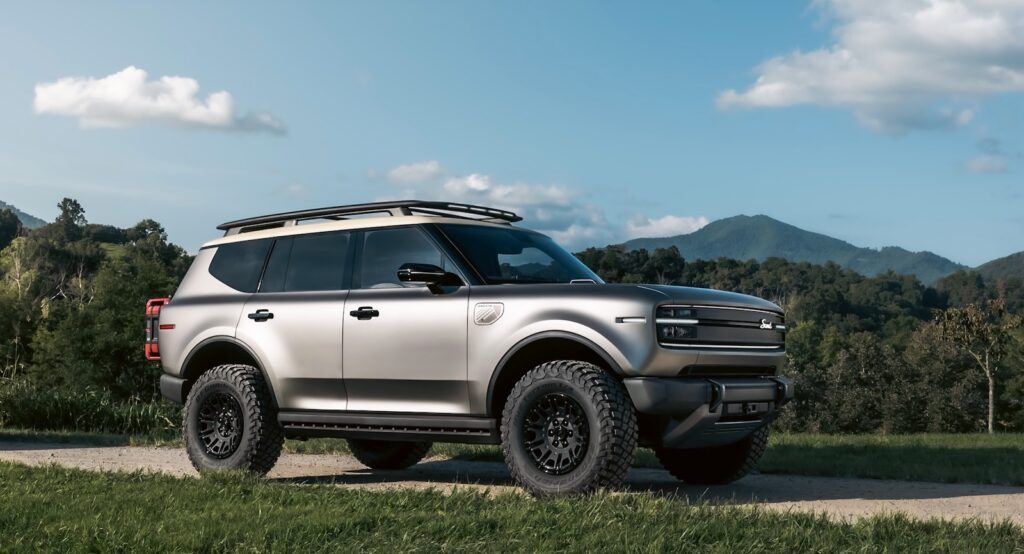
Scout is positioning both vehicles directly against the Tesla Cybertruck, Ford F-150 Lightning, and Rivian R1T and R1S. Both ride on a proper ladder-frame chassis with a rear live axle, 35-inch wheels and over 30 centimetres of ground clearance. Despite the electric drivetrain, towing and payload figures aren’t compromised: the platform can tow up to 4.5 tonnes, with payload on both models exceeding 900 kilograms. Design cues deliberately echo the original International Harvester Scout, chief designer Chris Benjamin describing the goal as making the vehicle „a helpful companion“ that makes the owner’s experience „easier, better and faster.“
Verdict: Real Hardware, Real Delay
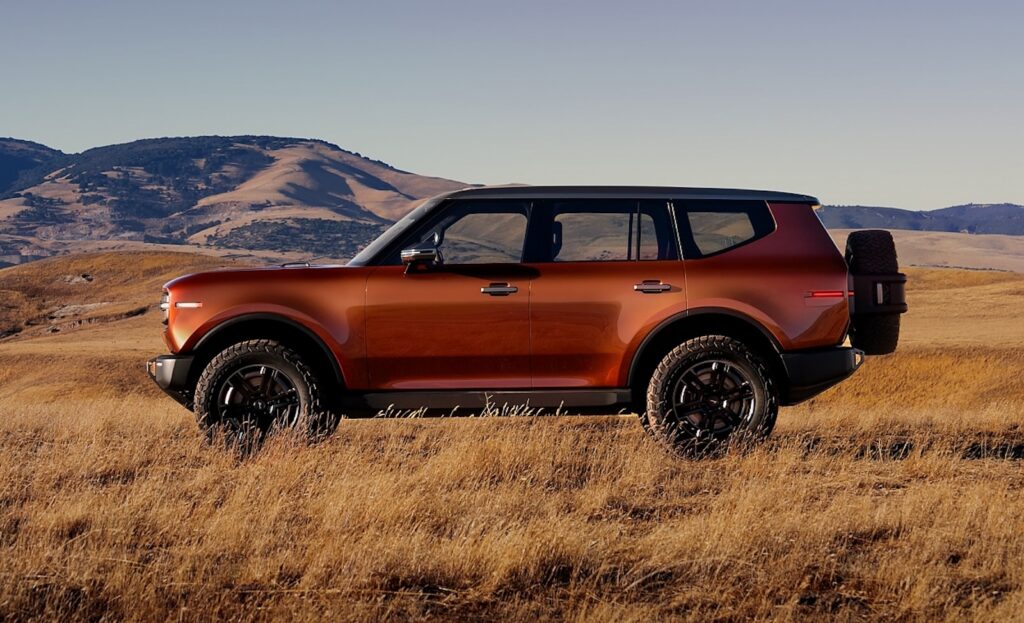
Strengths: serious off-road specification, competitive power and torque figures, a sensible reversal toward range-extender flexibility given actual US demand, and pricing starting under $60,000. Weaknesses: the original 2026 launch has slipped to a 2027 production start in the newly built Blythewood, South Carolina plant, with meaningful customer deliveries unlikely before 2028, and the brand is asking Americans to feel nostalgic for a heritage most of them, per Volkswagen’s own admission, don’t actually recognise. Mistaken identity got Scout into this position in the first place. Whether a new generation can finally tell it apart from the Bronco remains, for now, an open question.